Guide · Updated 29 September 2026
PET, HDPE and PP bottles compared
All three are common packaging plastics, but they behave differently. PET is chosen for clarity, HDPE for chemical resistance, PP for heat.
In short
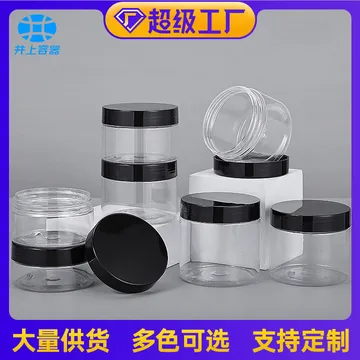
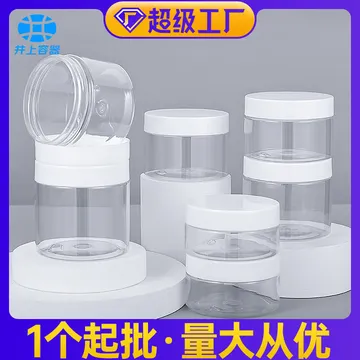
- PET (recycling code 1): clear like glass, rigid and light. The usual choice for toner, liquid soap, oils and drinks, when the contents should show.
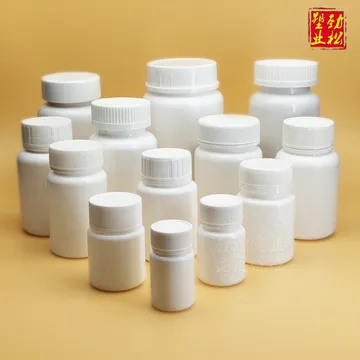
- HDPE (code 2): opaque or milky white, slightly flexible and resistant to many chemicals. The usual choice for detergent, floor cleaner, bleach and shampoo.
- PP (code 5): translucent to opaque, rigid, and the most heat-resistant of the three. Used for hot-filled products, caps, flip tops and jars.
Comparison table
| Property | PET | HDPE | PP |
|---|---|---|---|
| Recycling code | 1 | 2 | 5 |
| Look | Clear, glossy | Opaque, milky white | Translucent to opaque |
| In the hand | Rigid | Flexible, easy to squeeze | Rigid, slightly flexible |
| Chemical resistance | Good for most cosmetics and food; weak against strong alkali | Very good, including detergent and bleach | Very good, including acids, alkalis and alcohol |
| Heat resistance | Low: not for hot filling | Medium | High: can be hot-filled |
| Oxygen barrier | Good | Low | Low |
| Moisture barrier | Medium | Good | Good |
Choose by what goes inside
| Product | Usual material | Why |
|---|---|---|
| Toner, micellar water, hand soap | PET | Clear, the contents show |
| Shampoo, body wash, lotion | PET or HDPE | HDPE squeezes out to the last drop |
| Detergent, fabric softener, floor cleaner, bleach | HDPE | Chemical-resistant; jerrycans too |
| Cooking oil, hair oil | PET | Clear; keeps oxygen out better than HDPE and PP |
| Sauces, syrups or anything filled hot | PP | Keeps its shape when filled hot |
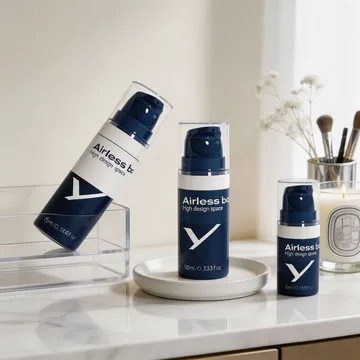
| Serums with active ingredients | Amber glass or an airless bottle | Shields actives from light and air |
| Essential oils | Amber glass | Essential oils can soften PS plastic and seep through HDPE |
Before you order
- Test with your product. Fill a few sample bottles, keep them for two to four weeks at room temperature and somewhere warm, then check for leaks, bottles that cave in or swell, and changes in colour or scent.
- Detergent and soap in HDPE. Liquids with surfactants can make HDPE bottles crack where they are under stress. Ask for a stress-crack-resistant (ESCR) resin and test with filled, capped bottles.
- Match the neck size. A code such as 24/410 means a 24 mm thread diameter with a 410 thread style (1.5 turns). The pump, sprayer or cap must carry exactly the same code as the bottle; a cap with another code may screw on but not seal.
- Colour protects too. White, amber or opaque bottles let in less light, which matters for active ingredients and fragrances that light can spoil.
- Minimum order through MaklonGo is 2,500 pcs for imported packaging and 100 pcs from local suppliers; when the factory’s minimum is higher, that one applies.
In the catalogue
- PET bottles, HDPE bottles and PP bottles.
- Jerrycans and gallons for detergents and cleaning liquids in bulk.
- Pumps and sprayers and caps that fit the bottle’s neck.
Not sure which to choose? The MaklonGo team helps match packaging to your product.
Chat with MaklonGo(opens in a new tab)4 products